- +91 8160144606
- info@bankauction.co
- Monday to Saturday
- 10:00 AM – 6:00 PM IST

How to Buy a Bank Auction Property in India
Learn the complete process of buying bank auction properties — from finding listings to participating in auctions and securing ownership.
Understanding Bank Auction Properties
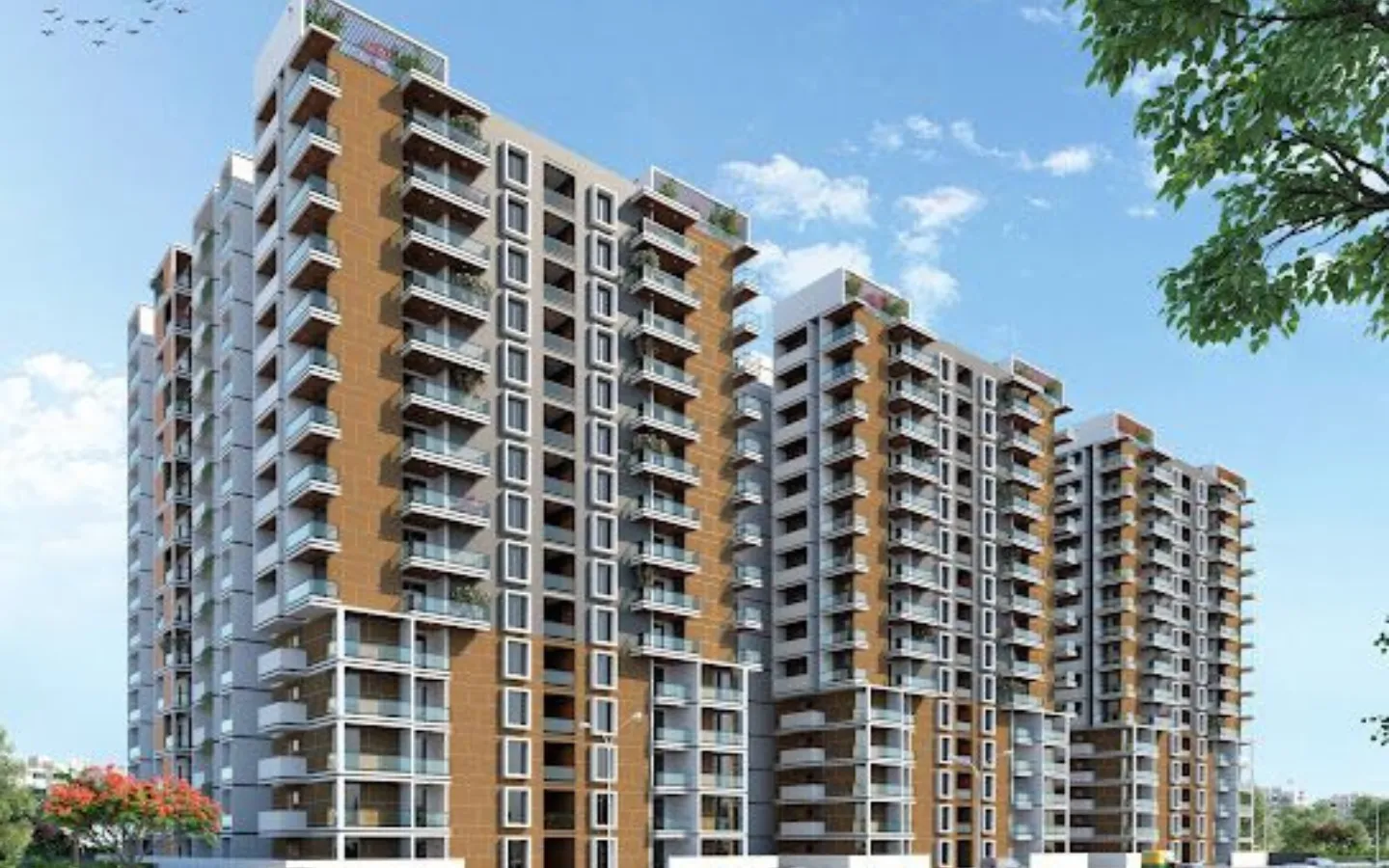
Bank auction properties are assets seized by banks and financial institutions due to loan defaults or Non-Performing Assets (NPAs). These properties are auctioned under the SARFAESI Act and related recovery laws to recover pending dues.
For buyers and investors, bank auctions offer an opportunity to purchase residential, commercial, industrial, and land properties at prices often lower than market value.
- HOW IT WORKS
How Bank Auction Process Works in 6 Simple Steps
Follow the complete bank auction journey — from property search to ownership.
Find a Property
Browse auction properties by city, bank, budget, property type, and auction date.
Review Auction Notice
Check reserve price, EMD amount, auction date, property details, and official bank notice.
Legal Verification
Verify title documents, encumbrances, possession status, and pending dues before bidding.
Submit EMD
Pay the Earnest Money Deposit (typically 10% of reserve price) before the auction date.
Participate in Auction
Join the e-auction or physical auction and place your bid as per bank guidelines.
Complete Ownership
Pay the remaining amount, receive the Sale Certificate, and register the property.
- Understand key terms
Important Auction Terms
SARFAESI Act
A law allowing banks to recover loans by auctioning secured properties without court intervention.
NPA (Non-Performing Asset)
A loan account where the borrower has failed to make repayments for more than 90 days.
Reserve Price
The minimum price fixed by the bank below which auction bids are not accepted.
EMD (Earnest Money Deposit)
A refundable security amount paid before participating in a property auction.
Sale Certificate
An ownership document issued by the bank after full payment by the winning bidder.
DRT (Debt Recovery Tribunal)
An authority handling disputes and recovery matters between banks and defaulting borrowers.
IBAPI
Indian Banks’ Auction Properties Information portal listing auction properties from participating banks.
Upset Price
Another term for reserve price representing the minimum acceptable bid amount.
Things Buyers Should Know Before Bidding
Understand the key risks and important factors before participating in any bank auction.
Sale Certificate
An ownership document issued by the bank after full payment by the winning bidder.
Pending Dues
Check for unpaid maintenance charges, utility bills, society dues, and municipal taxes.
Legal Challenges
In certain cases, borrowers may legally challenge the auction process, causing delays.
Property Condition
Banks sell properties on an “as-is” basis without repair or condition guarantees.
Physical Inspection
Visit the property before bidding to check condition, access, and occupancy status.
Hidden Costs
Include stamp duty, registration, legal fees, and repair costs in your total budget.
Frequently Asked Questions
Find answers to common questions about bank auction properties, bidding process, EMD, and ownership transfer.
Q1. Is it safe to buy a bank auction property?
Yes, bank auction properties can be safe when proper legal due diligence is completed. Buyers should verify title documents, possession status, encumbrances, and inspect the property before bidding.
Q2. Can I get a home loan for an auction property?
Yes. Many banks provide home loans for auction properties, subject to eligibility, legal verification, and bank approval.
Q3. What happens if I win the auction but can't pay?
The winning bidder is required to complete payment within the timeline mentioned by the bank (usually 15–30 days). Failure to pay may result in forfeiture of the EMD amount.
Q4. Can I negotiate the reserve price?
No. The reserve price is fixed by the bank and acts as the minimum acceptable bid amount. Buyers participate through bidding during the auction process.
Q5. What is EMD in bank auction?
EMD (Earnest Money Deposit) is a refundable amount, usually around 10% of the reserve price, required to participate in the auction.
Q6. Are all auction properties vacant?
No. Some properties may still be occupied by borrowers or tenants. Always verify possession status before bidding.